
Faldas no son solamente para mujeres regañonas...
Faldas no son solamente para mujeres y escoceses. En lo que respecta a la prenda masculina, por supuesto ella es conocida en el mundo por recuerdo con Escocia donde viene de la tradición de las tierras altas. Cuando nació no fue más que un tipo de manta hecho de lana y teñido con extractos de hierbas y flores locales, que se llamaba el breacan o el plaid, que hombres llevaban alrededor del cuerpo entero. Luego, después de los levantamientos jacobitas durante el 18vo siglo, la ropa tradicional era prohibido y un tipo de la prenda más corto se hizo más popular: el ‘kilt’, una falda que se lleva alrededor de la cintura y encima de las rodillas. En la historia de la Gran Bretaña los soldados escoceses iban en batalla en kilt, una vista espantosa en los ojos de sus enemigos.
Sin embargo, el kilt o falda masculina no es una invención escocesa porque hombres llevan la falda durante toda la historia, por ejemplo los romanos antiguos. Incluso hoy otros países comparten esta tradición. En Alemaña hay un tartán que se llama Coburg. En Grecia ciertos soldados llevan un kilt muy parecido al tipo escocés. Y mismo en España en Galicia esta prenda exista también.
El tartán él mismo fue originalmente un tipo de camuflaje. Porque la lana era teñido con ingredientes locales, los que la llevaban podían esconderse en el campo para evitar estar visto. Así cada familia o ‘clan’ tenía sus propias colores y al fin su patrón se hizo conocido por recuerdo con el nombre de la familia. Hay tartanes escoceses y irlandeses.
Ahora la venta de la falda escocesa es un gran negocio en Escocia donde es muy popular, especialmente para bodas y otras fiestas tradicionales. Un kilt puede costar 500-1,000 libras (dinero), pero a diferencia de un vestido feminine, que no dura mucho tiempo, el kilt es muy duradero y su propietario puede pedir a un especialista sastre (un ‘kilt-maker’) que haga más grande la cinturilla muchas veces. Así un hombre de 20 años puede comprar su prenda y comer o beber tanto como le gusta de haggis o cerveza y depués de 30 años más ella estará bien de talla para él. Así a menudo mujeres se quejan cuando maridos compran tal cara cosa y insisten en un vestido nuevo, pero van a necesitar muchos vestidos nuevos durante la vida mientras que los hombres necesitan solamente un kilt soltero.
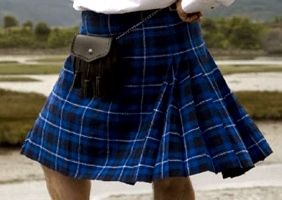
Galician Kilt
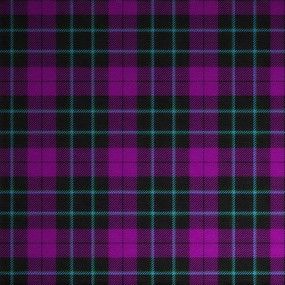
Coburg Tartan

Greek Soldiers
Skirts are not only for women and Scotsmen. Insofar as the male garment is concerned, of course it is known throughout the world for its association with Scotland where it comes from Highland tradition. At its birth it was no more than a kind of blanket made of wool that was dyed with the extracts of local herbs and flowers, called a breacan or a plaid, which men would wear around their entire body. Then, after the Jacobite Uprisings of the 18th century, traditional attire was banned and a shorter kind of garment became more popular: the ‘kilt’, skirt worn around the waist and above the knees. Throughout British history Scottish soldiers would go into battle in the kilt, a terrifying sight in the eyes of their enemies.
However, the kilt or male skirt is not a Scottish invention and men have worn it throughout all history, e.g. the Ancient Romans. Even nowadays other countries share this tradition . German has a tartan called Coburg. In Greece certain soldiers wear a kilt very similar to the Scottish version. And even in Spain, in Galicia, this garment also exists.
As for tartan itself, this was originally a kind of camouflage. Since the wool was dyed with local ingredients, its wearer could hide in the countryside thus avoiding detection. Accordingly, each family, or ‘clan’ had their own colours and eventually their pattern became associated with the family name. There are Scottish and Irish tartans.
Today the sale of kilts is big business in Scotland where they are very popular, particularly for weddings and other traditional events. A kilt can cost £500-£1,000, but unlike a dress, which doesn’t last long, the kilt is very durable and its owner can have a specialist tailor (a ‘kilt-maker’) expand the waistband many times. Thus a man of 20 can buy his garment and eat and drink as much haggis and beer as he wishes, then 30 years later it shall still fit him well. Therefore, often womenfolk gripe about their husbands buying such an expensive item and insist on a new dress, yet they will need many new dresses during their life whereas men need only one kilt.
7 Answers
Las faldas no son solamente para mujeres y escoceses. En lo que respecta a la prenda masculina, por supuesto es conocida en todo el mundo por asociación con Escocia donde proviene de la tradición de las tierras altas. Cuando nació no era más que un tipo de manta hecho de lana y teñido con extractos de hierbas y flores locales, llamado tartán, que los hombres llevaban alrededor de todo el cuerpo. Luego, después de los levantamientos jacobitas durante el siglo XVIII, se prohibió la ropa tradicional y un tipo de la prenda más corto se hizo más popular: el "kilt", una falda que se lleva alrededor de la cintura y por encima de las rodillas. En la historia de la Gran Bretaña los soldados escoceses iban a la guerra en kilt, un espectáculo aterrador a los ojos de sus enemigos.
Actualmente la venta de faldas escocesas es un gran negocio en Escocia donde son muy populares, especialmente para bodas y otras fiestas tradicionales. Un kilt puede costar de 500 a 1,000 libras, pero a diferencia de un vestido de mujer, que no dura mucho, el kilt es muy duradero y su propietario puede pedir a un sastre especialista (un "kilt-maker") que agrande la cintura muchas veces. Así un hombre de 20 años puede comprar su prenda y comer y beber todo el haggis o cerveza que quiera, que después de 30 años todavía le quedará bien. Así a menudo las mujeres se quejan de que sus maridos compren algo tan caro e insisten en un vestido nuevo, pero ellas van a necesitar muchos vestidos nuevos durante la vida mientras que los hombres necesitan solamente un kilt.
Y por lo que respecta al tartán, originalmente era un tipo de camuflaje. Como la lana se teñía con ingredientes locales, quienes la llevaban podían esconderse en el campo y de ese modo evitar que los descubrieran. Así cada familia o "clan" tenía sus propios colores y al fin su patrón se asoció con el nombre de la familia. Hay tartanes escoceses e irlandeses.
Sin embargo, el kilt o falda masculina no es una invención escocesa y los hombres han usado falda durante toda la historia, como, por ejemplo, los antiguos romanos. Incluso hoy otros países comparten esta tradición. En Alemania hay un tartán llamado coburgo. En Grecia ciertos soldados llevan un kilt muy parecido a la versión escocesa. E incluso en España, en Galicia, también existe esta prenda.
¿Qué piensan Uds. de esto? Hay miles de hombres que creen que tienen tanto derecho de llevar faldas como las mujeres. Estoy de acuerdo, pero no creo que la mayoría de los hombres acepten esto.
This is in honor of Falda-Escoce. You can read the lyrics as you listen. Sláinte, my friend!!

https://www.youtube.com/watch?v=MZ35SOU9HTM
hehe That's one song I never heard when we lived in Scotland. My favorite is Donald, Where's Your Troosers?
Lyrics, in case you can't understand the Scottish brogue 
I've just come down From the Isle of Skye I'm not very big and I'm awful shy And the lassies shout when I go by Donald, where's your troosers?
Let the wind blow high Let the wind blow low Through the streets In my kilt, I'll go All the lassies say hello Donald, where's your troosers?
A lassie took me to a ball And it was slippery in the hall And I was feared that I would fall For I had nae on my troosers
Now I went down to London Town And I had some fun in the underground The ladies turned their heads around Saying, Donald, where are your trousers
To wear the kilt is my delight It is not wrong I know it's right The Highlanders would get a fright If they saw me in the trousers
The lassies want me every one Well, let them catch me if they can You cannae take the breaks Aff a Highland man And I don't wear the troosers
Donald, where's your troosers? Donald, where's your troosers?
Oh, well, that's the way We sing the song in Scotland But of course the song might Have more international appeal Sung something like this One, two, three, four...
Well, I've just come down From the Isle of Skye I'm not very big and I'm awful shy The lassies shout when I go by Hey, Donald, where's your troosers?
Let the wind blow high Let the wind blow low Through the streets In my kilt, I'll go All the lassies shout, go, go Donald, where's your troosers?
Oh, man, I'm all rock and roll And I'm a-moving and A-grooving to save my soul Grab your kilt and go, go, go Hey, Donald, where's your troosers
Let the wind blow high Let the wind blow low Through the streets In my kilt, I'll go Oh, yeah, go, go, go
Hey, Donald, where's your troosers? Hey Donald, where's your troosers? Yeah, hey, Donald
Hey, just a minute What are you doing there (Man, I'm rocking it, man) (Man, I'm really moving it, man)
Well just you stop rocking it And moving it, man The song should be sung Just exactly like this:
I've just come down From the Isle of Skye I'm not very big and I'm awful shy And the lassies shout when I go by Donald, where's your troosers?
Donald, where's your troosers?
















