
UNESCO World Heritage Sites: Spain's Islands
Spain is home to an impressive forty-nine UNESCO World Heritage Sites. In this article, we’ll talk about the UNESCO World Heritage Sites located on Spain’s islands.
Questions This Article Answers
What are some UNESCO World Heritage Sites on the Spanish islands?
Is Ibiza a UNESCO World Heritage Site?
What to see on las Islas Baleares?
What to see on las Islas Canarias?
Spain is home to two archipelagos that are also autonomous communities. These regions are the islas Canarias(the Canary Islands) and the islas Baleares(the Balearic Islands). The islas Canarias are located in the Atlantic Ocean, off the coast of Africa. The islas Baleares are located in the Mediterranean Sea, off the east coast of Spain. Let’s take a look at the UNESCO World Heritage sites located on Spain’s islands!
World Heritage Sites on the Islas Baleares
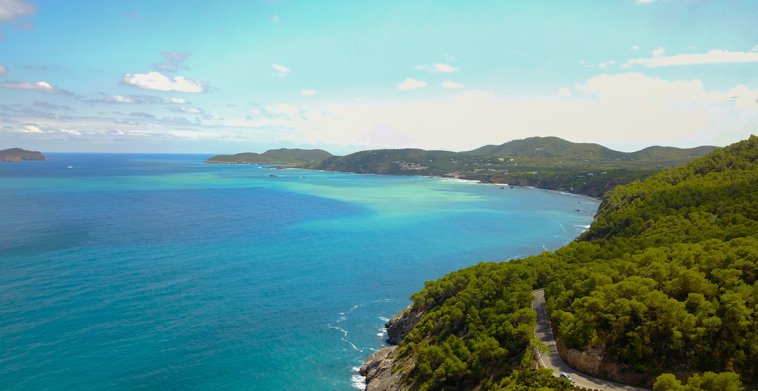
Cultural Landscape of the Serra de Tramuntana
The Serra de Tramuntana(Tramuntana Mountains) is located in the north of Mallorca(Majorca). This area is considered unique due to its agricultural history. The water harvesting and management network allowed people to grow fruit and vegetables in this dry area. It’s an extraordinary example of human adaptation to the region.
Ibiza, Biodiversity and Culture
There’s so much more to Ibizathan its party reputation! The island has been recognized as a UNESCO World Heritage Site. With regard to its biodiversity, it is home to an important amount of seagrass. Its cultural monuments have also been recognized as unique; it is the home of Phoenician ruins in Sa Caletaas well as a Phoenician cemetery! You can also find Renaissance architecture in its Upper Town.
World Heritage Sites on the Islas Canarias
Garajonay National Park
Located on the island of La Gomera, the GarajonayNational Park is home to a unique laurel forest—a remnant of the rainforests that used to cover parts of Europe. This park covers over ten percent of the island! Its lush vegetation is made possible by the rain and fog the island gets, due to its location.
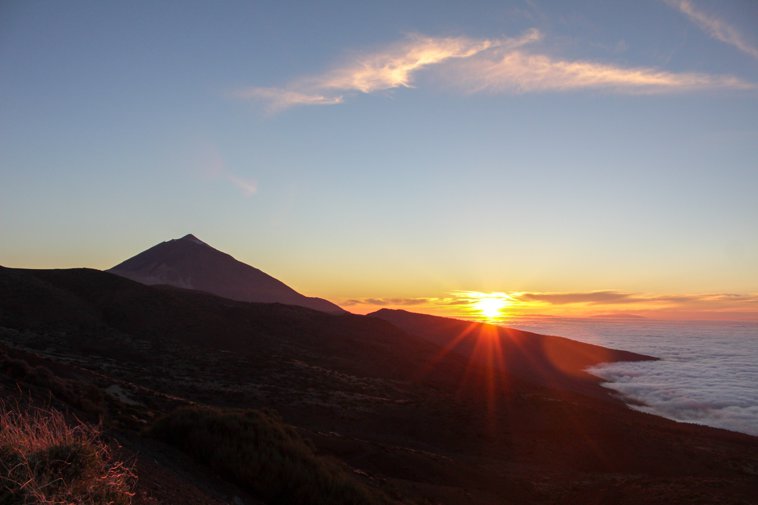
Teide National Park
The Teidestratovolcano is the tallest mountain in Spain, at over 12,000 feet! When measured from the ocean floor, the Teide is considered the third-highest volcano in the world.
San Cristóbal de la Laguna
San Cristóbal de la Lagunais located on the island of Tenerife. In this grid-plan town, you can find examples of Mudéjar(Mudejar), Neoclassical, Modernist, Rationalist, and Contemporary architecture.
Risco Caído and the Sacred Mountains of Gran Canaria Cultural Landscape
Located on the island of Gran Canariathe Risco Caído(Fallen Crag) is made up of dramatic volcanic formations, cliffs, and ravines. It was once the home of pre-Hispanic cave-dwellers.
Ready to learn more? Check out these articles!

















