
Sick to the stomach
I put this sentence in Word of the Day.....
Lo que sucedió ese día me hizo sentir mal de la barriga.
What happened that day made me feel sick to the stomach.
Heidita suggested others ways of saying this and asked me to put the sentence on the open forum. I know you can substitute 'estómago' for 'barriga' and you could leave out the word 'sentir' without it changing the meaning too much.
So my question is this:
Does my sentence make sense in Spanish, and - more importantly to me - does it sound natural?
What other ways are there to say this type of thing in Spanish?
¡Muchas gracias amigos!
10 Answers
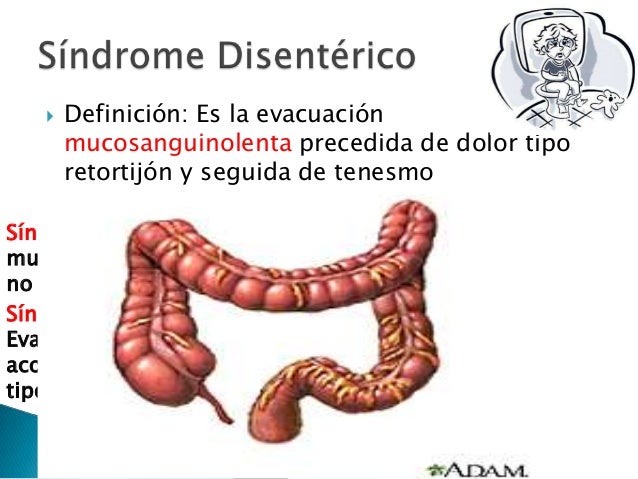
Tiene un retortijón.
My suggestions were:
....me puso de mala hostia.
...me puso de mal humor
...me indignó
...me atacó los nervios
...me puso de los nervios
........... me dio hasta dolor de estómago
........me pareció fatal
............... me dio hasta náuseas..
Seeeeeeeeeeeee, billy, I came up with a couple more...your sentence means nothing in Spanish, sorry to say. People would think you had an accident and a stomach ache.
If you meant it literally I would accept
Me hizo sentir mal de la barriga.
Me dio dolor de barriga.
Me dio dolor de estómago.
Me dio retorcijones. (I had never heard retortijones but it seems to exist )etc.
If it's the idiom, none of the above is correct.
Me hizo sentir mal.
Me dio mal humor.
Me indignó.
Me enfermó. (in all of them and especially this one some special intonation would help)
Me alteró los nervios.
Me puso histérica de la rabia.
and millions more.
Hi Billy  When I hear that expression, the first thing that pops into my head it's Porcupine's suggestion +.+
So, I would be concerned about your health, and I would ask Sick?! Really Billy? What did you eat this time?! O.O
Even in English, so, it's ok, I need to hear the context to know what makes you "sick"
When I hear that expression, the first thing that pops into my head it's Porcupine's suggestion +.+
So, I would be concerned about your health, and I would ask Sick?! Really Billy? What did you eat this time?! O.O
Even in English, so, it's ok, I need to hear the context to know what makes you "sick"  Btw, last week I went to a bbq, the music wasn't very good, but the food was delicious.
I guess I had too much coconut rice and gandules rice >. < So, it made me really sick lol!
Btw, last week I went to a bbq, the music wasn't very good, but the food was delicious.
I guess I had too much coconut rice and gandules rice >. < So, it made me really sick lol!
What about " me revolvió el estómago "
Yo diría algo como : me revolvió hasta el estómago
en realidad no le pasa nada con el estómago, es una expresión muy común en inglés.
Dar asco , por cierto, solo tendría el sentido literal, es decir, cuando está enfermo.
en este caso el hombre estaba indignado....ahhhhhhhhhh**, indignado**, creo que no lo he dicho aún
"Me da asco." can be used figuratively as well as literally. Your sentence " lo que sucedió ese día me da/dio asco." would work fine.
No estoy de acuerdo...dar asco no tiene nada que ver con la expresión en inglés-
Wow! Thank you so much for the answers guys. This is how I learn! You guys really help me. Perhaps I'm being a little too ambitious at times with my sentences and can't convey - in written form anyway - what I'm trying to say without causing confusion.
As I see it though, there is no point in "playing safe" with simple sentences. I am here to learn and have some fun too. You guys are the best. My learning process now is: I copy all of the answers in this thread to my personal notes, then study them. That way a little bit of it sticks in the old grey matter (memory lol) and will pop up in future communication.
I find this learning style really suits me. There is just something about answers from real people!!! that touch the spot with me. I could read and copy from a text book - but (for me personally) it doesn't work. I can't explain it, it is just so impersonal. But, as I said, answers from native Spanish speakers really sit well with me. They just seem to make more sense, which helps me to retain the information better.
"Me da asco." can be used figuratively as well as literally. Your sentence " lo que suceció ese día me da/dio asco." would work fine.
The graphic is of a fairly well known saying in the Spanish-speaking world.

What about " me revolvió el estómago "
"Dar Asco" = To make feel sick, to disgust. Per SpanishDict. See link. The link gives many sentences as examples of use.

















