Home
Q&A
The Spanish double negative.

The Spanish double negative.

5
votes

I was speaking to a friend today. I had 4 kilos of crab in his freeze and he used it this past weekend and aked me when I wanted him to replace it. I told him...."No te preocupes, no es nada". In English, "Don't worry about it, it is nothing". Later as I thought about it the "no es nada" sounded stranger and stranger to my English ear. Yet I believe it to be correct.

Any comments? Other ways to express the same idea?

1124 views
updated May 5, 2016
edited by gringojrf
posted by gringojrf
I'll just give you a comment, my fiend. It sounds perfectly correct to me. I always have a hard time with this because it is bad grammar in English but people use it (I didn't do nothing) and I avoid it. - Jubilado, May 4, 2016
Since it is correct in Spanish, I have a hard time using it. One time I made a WoD entry using too many negatives. - Jubilado, May 4, 2016
Good post gringo. - 00cc0117, May 4, 2016

4 Answers

6
votes

Also

No es problema = it isn't a problem

nada de que preocuparse = nothing to worry about

smile

updated May 4, 2016
posted by chileno
Thankyou chileno. :) - 00cc0117, May 4, 2016
Thanks. - gringojrf, May 4, 2016
I also came up with "no importa". - gringojrf, May 4, 2016
gringo, yes, but in certain situations better not even bring that up. I hope you understand that... if not ask. :) - chileno, May 4, 2016
4
votes

According to my friend in Costa Rica, this is ok in Spanish. No es nada.

updated May 4, 2016
posted by 00cc0117
3
votes

Another suggestion:

No me molesta en absoluto. It doesn't worry me in the slightest. //It's no bother.
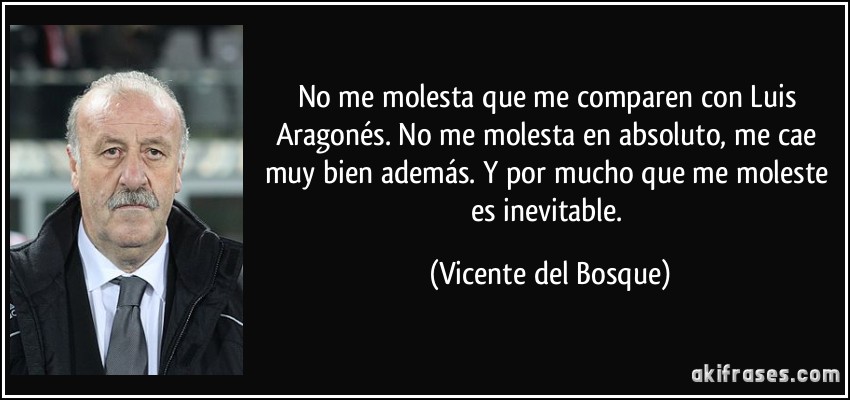
enter image description here

updated May 5, 2016
edited by annierats
posted by annierats
Did you hear this in Spain? For me it sounds strange because "absoluto" is used with positive structures rather than negative. "Me alegra en absoluto" but "No me molesta de ninguna manera" - 005faa61, May 4, 2016
I think the expression is widespread here. I will ask somebody, as soon as I can. - annierats, May 5, 2016
Rae: en absoluto 1. loc. adv. De una manera general, resuelta y terminante. 2. loc. adv. No, de ningún modo. - annierats, May 5, 2016
I would chalk it up to regional. As I never hear "en absoluto" used here. - gringojrf, May 5, 2016
Is RAE regional? I don't know, anyway, it is heard here, the plumber understood it. - annierats, May 5, 2016
2
votes

No hay bronca / no hay pedo / no hay problema. So yes, there ways to say this if you don´t want to use a Spanish double negative, but I am surprised that you still equate Spanish to English after all this time of living in BC.


updated May 5, 2016
posted by 005faa61
Sometimes things just get stuck. I said no es nada and then began thinking about it. Thinking is almost always a bad idea but I couldn't help it. Sometimes I don't realize which language I am using. It causes some funny moments among my friends. - gringojrf, May 4, 2016
:-) welcome to the state of confusion! :) - chileno, May 5, 2016
Gringo, you said it perfectly. It sounds like you thought about it English, which caused the confusion. If you think about it in Spanish, I´m sure it will make sense - 005faa61, May 5, 2016
I put a picture on my answer, especially for you, Julián, but I'll try to check it out with a native, if I remember. - annierats, May 5, 2016
I checked it with RAE. en absoluto . 2. loc. adv. No, de ningún modo. - annierats, May 5, 2016
I will check with the plumber who is working in our bathroom, but I have to wait until he puts the floor back. - annierats, May 5, 2016
" 2. loc. adv. No, de ningún modo". The RAE suggests that "locución" is a grammatical joining of words but also a stylistic or regional usage, so in this case not common in the Americas but obviously common in Spain - you did a good investigation! - 005faa61, May 5, 2016















