
Juego de 'pero solo es una palabra'...
Este es un jeugo. Pon un ejemplo de una palabra en español o inglés que puede tener dos significados, pero donde el otro idioma tiene dos palabras diferentes. Entonces, pon un explicación de cómo el idioma hace una distinctión entre los significados.
This is a game. Give an example of a word in Spanish or English that can have two meanings, but where the other language has two different words. Then give an explanation of how the language makes a distinction between the two meanings.
37 Answers
esperar : to wait, to hope
Espero a mi novio. I am waiting for my boyfriend.
Espero que él venga pronto. I hope that he comes soon.

Hacer – do, make
Why do we do the dishes and make the bed- instead of doing the bed and making the dishes?
Hmmm, usually make means you produce something, and do is to perform an activity that does not create something/produce an end product. But why do you produce a made bed, but not a clean dish? I am convinced there is some memorization here.

Corner - esquina - rincón
When you turn the corner you’ll see the restaurant. - Al doblar la esquina veréis el restaurante.
The boxes were piled up in a corner. - Las cajas estaban amontonadas en un rincón.
Mañana: tomorrow / morning
Explanation: mañana en/por la mañana = tomorrow morning / esta mañana = this morning / en/por la mañana = in the morning

Chino: Chinese / Curly (hair)

Cachorro: Pup(py) / Cub

canto song, edge, pebble


canto rodado:

Puerta: Door / Gate (Puerto: Harbour)...

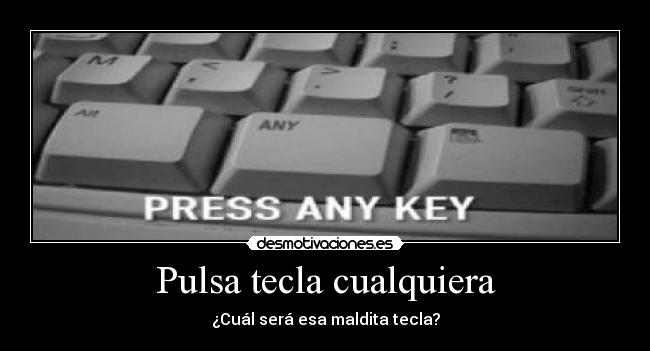
Key- llave

Key- clave

Key- tecla
Tiempo: Time / Weather...
Es el tiempo para = It's time for...
Hace buen tiempo = It's good weather...

bote
trash can

bounce

boat

Reloj: watch / clock...
Reloj de pulsera: wristwatch
Reloj de bolsillo: pocket watch
Reloj de cuco: cuckoo clock
Reloj de sol: sundial

bakery
panadería, pastelería

Child: Niño / niña / hijo / hija
English uses an invariable noun for male & female children, & to distinguish uses the etymologically separate words, boy, girl, son & daughter... If I wish to talk about my own children collectively, there's no ordinary single word to indicate they are definitely 'mis hijos' without sounding rude or weird & calling them 'offspring' or 'progeny' 

cobra
"cobra" is the conjugation of the verb "cobrar", in third person, singular and present tense.
"él cobra"

Also means the reptile "cobra"


















