Home
Q&A
Using the Spanish verb ""bienquerer".....

Using the Spanish verb ""bienquerer".....

6
votes

Context: I'm trying to use the Spanish verb "bienquerer" in a sentence. At this time I don't want to use any other Spanish verb.

Question: Am I using this verb correctly?

Muchas personas bienquieren el helado.
Many people are fond of ice cream.
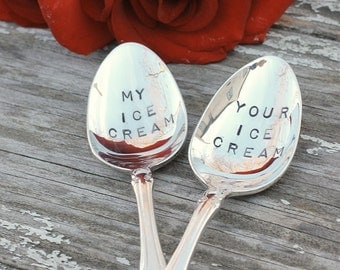
enter image description here

1594 views
updated Mar 17, 2016
posted by bandit51jd

6 Answers

5
votes

I don't think so. In fact I have never heard of "bienquerer." It is in our translator, though, but it seems that you can only use it with people. It is like the verb "querer" If you say, "quiero helado" you're saying "I want Ice cream."

I would say instead, "A muchas personas les gusta/encanta el helado."

enter image description here

updated Jan 28, 2015
posted by Daniela2041
http://www.spanishdict.com/answers/247703/500-verbs-present-past-past-future-lets-practice-beginners-exercise/newest#a842380 - bandit51jd, Jan 27, 2015
Thanks for help Dani! - bandit51jd, Jan 27, 2015
Me encanta la foto, Daniela :) ¡Qué lindo! - FELIZ77, Jan 28, 2015
4
votes

Es un verbo que no se usa ya, aunque existe en el diccionario. Puedes encontrarlo en obras de literatura, sobre todo el participio "bienquerido/a" usado como adjetivo.

También existe el verbo "malquerer", y los adjetivos "malquerido" y "malquerida".

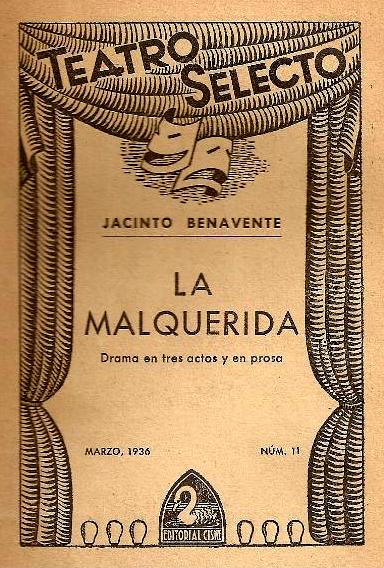
Hay una obra de teatro de Jacinto Benavente que se llama así, "La Malquerida":
enter image description here

updated Jan 30, 2015
posted by Cordobesa
Gracias, Bibi. This information about the participle being used as an adjective is interesting. Too, "La Malquerida" is a play. I thank you for the extra research! - bandit51jd, Jan 28, 2015
In Mexico "bienquerer" (to love in a good way) or "malquerer" ( to love in a bad way) is applied often. Mostly related to people involved in a amicable or romantic situation, e.g. "Juan malquiere a Roxana" - Clío, Jan 28, 2015
Also can be applied to situations or things, but not often used in this way. e.g. "Laura es una historiadora que bienquiere a su profesión, jamás distorsionaría sus hallazgos sobre el pasado por dinero. - Clío, Jan 28, 2015
@- Clío If I'm following the Spanish, Juan isn't at all fond of Roxana. And Laura is a historian who loves her profession very much and would never distort her findings of history for money? - bandit51jd, Jan 28, 2015
@- Clío So is "bienquieren" a possible translaation in my example above? Thanks so much for helping me to see this is used in Mexico! - bandit51jd, Jan 28, 2015
No podía encontrar este verbo en mi diccionario Ingés español lol jajaja - FELIZ77, Jan 29, 2015
:)) - Cordobesa, Jan 29, 2015
Join the club Feliz!! - bandit51jd, Jan 29, 2015
Bandit: malquerer=to love in a bad way, is not a lack of love, it is to love someone in an improper manner, e.g. being abusive, controlling or neglectfull, etc. - Clío, Jan 30, 2015
Bienquerer= is to love in a proper way, e.g: ethical, compasionate, gentle, respectfull, etc. - Clío, Jan 30, 2015
In the example of the icecream, it is not used in that way. Liking or disliking icecream it not relevant to bienquerer or malquerer. - Clío, Jan 30, 2015
(I hope this clarification is helpful.) :) - Clío, Jan 30, 2015
2
votes

I had never seen it before either (although this often happens to me when I look at Spanish ¡!). However, it did immediately make sense to me. It reminds me of the French use of 'aimer' & 'bien', where 'bien' is used as a qualifier for 'aimer', which changes its meaning slightly, or a lot, depending on circumstances.

For example:

  1. Je t'aime = I love you (used between couples)
  2. Je t'aime bien = I like your (used between friends, who are platonic)
  3. Or you can use 'j'aime' / 'j'aime bien' interchangeably with non-people where there is no possibility of the suggestion of amorous affection, e.g. j'aime ce vin / j'aime bien ce vin = I like this wine / I really like this wine

I'm aware that the Spanish verb 'querer' can be used to mean 'love', so wonder if 'bienquerer' might be used to make a similar distinction.

  1. Te quiero = I love you
  2. Te bienquiero = I like you (I'm fond of you)

Incidentally, it's not in my old-fashioned paper dictionary either...

updated Jan 28, 2015
posted by Faldaesque
I know some, here, are interested in the French language! Excellent thoughts! - bandit51jd, Jan 28, 2015
1
vote

its not used anymore

updated Jan 29, 2015
posted by Rey_Mysterio
Gracias, Rey! - bandit51jd, Jan 29, 2015
1
vote

I looked it up in the old fashioned paper dictionary, Oxford Spanish Dictionary, and the word was not there. It also was not in Wordreference.com but Collins online did have it defined as

to be fond of

updated Jan 28, 2015
posted by zeldasmomaz
Thanks so much for this information and your research! - bandit51jd, Jan 28, 2015
1
vote

I have never heard it used either. It may be one of the words that exist but no one uses them. We have them in English as well.


updated Jan 27, 2015
posted by gringojrf
Yes, it's one of the 500 verbs on Katy's post: The B's are here: http://lingolex.com/verbs/az_verbs.php?letra=B - bandit51jd, Jan 27, 2015















