
La Palabra Del Dia: "ajeno"
ajeno ( ah-hen'-oh )
adjective ( foreign; someone else's; unconnected )
Sylyon1976 will correct the Spanish sentences as her time permits. Please correct your posts according to her suggestions. There are many native English speakers here, most of us can offer great suggestions to the English sentences. I will do my best to go through them all, too. Use today's Word of the Day in your own Spanish sentence (and include the English translation as well). Try to use the word in a completely new way and vote on the sentences you like best. The winner will be chosen based upon the correct use of the word as well as the number of votes.
Guidelines:
Write sentences at least 5 words long, but don't write a paragraph either. Write your Spanish sentence, but include the English translation as well. Make the corrections suggested by other users and moderators in the comments section (try not to use personal pronouns unless absolutely necessary). Use your own words! (Don't use a translator, copy from a book, use song lyrics, etc.) Please keep political, religious or personal statements to a minimum. This is a practice game.

Examples:
1. Él pasó la noche en casa ajena.
He spent the night at someone else's house.
2. No se admitirá ninguna persona ajena a la empresa a la recepción.
No one unattached to the company will be admitted to the reception.
Notes
Keep in mind that "ajeno" doesn't mean "foreign" in the sense of being from another country. For that, you would use "extranjero."

Video: What About Now
13 Answers

¡No puedes decir que estas ajeno de toda responsibilidad !
You can't say that you are free of any responsibility !
When I see (watch) teenagers arguing with their parents or grandparents, I think that here are (ie: here we have) two generations whose ideals are completely alien to each other! Yet, on other occasions it seems that they get on well together! Strange, isn't it?
¡Cuando* mire a los adolescentes que se peleen con sus padres o sus abuelos, creo que aquí tenemos dos generaciones cuyos ideales son totalmente ajenos! ¡Sin embargo, en otras ocasiones parece que estas generaciones se caen (o caigan?) bien! ¡Es extraño, ¿no!
cuando* o siempre que mire etc...
My native Spanish teacher from Spain is teaching me about the verbal phrase: caerse bien and the differences between this verb and gustar. Some natives seem to prefer to use the verb construction: llevarse bien con alguien = to mean to get on well.with somebody..
Veo los defectos en los ajenos, pero no en mis amigos.
I see the flaws in outsiders, but not in my friends.

There are some very interesting foreign foods.
Hay algunos tipos de comida extraña muy interesante

Siempre intentamos averiguar culpa ajena, no nuestro propio.
-We always try to find out someone else's fault, not our own.

Mi marido tenía un amante en otro pueblo a poca distancia de nuestra casa, ajeno al pelígro que corría de ver a nuestro vecino quién tiene una hermana que vive en ese pueblo.
My husband used to have a mistress in another town, not far from our house, unaware that he ran the risk of meeting our neighbour who has a sister living that town.

Hay circunstancias cuando creo que estoy viviendo una vida ajeno de mi propia existencia.
There are times when I think that I am living a life outside my own existance.

Sí, él es fuerte, fuerte con lo ajeno.
Yes, he is strong, strong with other people's things.

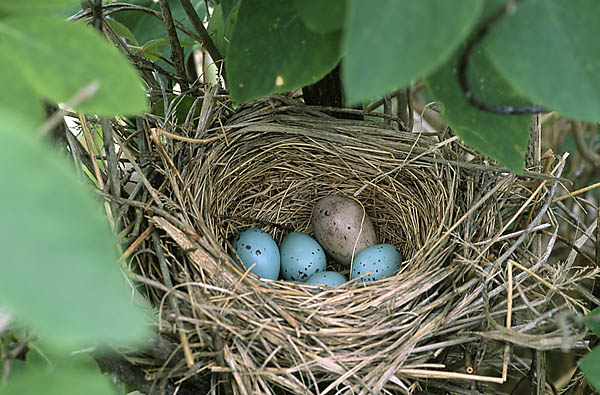
El pájaro del cuco pone sus huevos en un nido ajeno.
The cuckoo bird lays it's eggs in another bird's nest.
El professor trató de explicar sus ideas a la audiencia pero fue un desastre: los conceptos eran totalmente ajenas a ellos.
The teacher tried to explain his ideas to the audience but it was a disaster: the concepts were totally foreign to them.

El profesor estaba borracho y hablaba de cosas ajenas al tema.
The teacher was drunk and he talked about things unconnected with the subject matter.
However powerful you think you are , there are always things out of your control.
Sin embargo poderoso creemos que somos, siempre hay cosas ajenas a nuestro voluntad.
¿Cómo?.....Bueno........Lo siento pero eso es ajeno a nuestro departamento. No cuelgue, que ahora mismo le paso.
What?......I see........I'm sorry but our department doesn't deal with that. Please hold while I transfer you.


















