
Today's "Haber Compound Tense"...Nevar - snowed - nevado
El Participio Pasivo de Nevar– “ nevado – snowed ”
Bienvenido al foro abierto en SpanishDict.com. Hoy, mis compañeros de clase, vamos a aprender unos tiempos nuevos…y usarlos en frases. Estos nuevos tiempos expresan acciones que tuvieron lugar en un tiempo indeterminado en el pasado.Ya sabemos que "Haber" es un verbo auxiliar, una como tal nunca puede estar solo.
The Past Participle of to snow – “ snowed – nevado”
Welcome to the open forum at SpanishDict.com. Today, my classmates, we are going to learn some new tenses…and use them in sentences. These new tenses express actions that took place at an undetermined time in the past. We already know that 'Haber' is an auxiliary verb, an as such can never stand alone.
Compund or perfect tenses are composed of two parts:
the auxiliary (haber- a form of have) + (a past participle )
They are called “perfect” because the action is completed.
The function of the auxiliary verb “haber” is to tell “when”.
- Present Perfect Tense = ( haber - have/has ) + ( Past Participle )
Ex. - (Haber) + (Past Participle of Nevar ) = (….have/has snowed)
he + Past Participle = (I have …. )
has + Past Participle = (you [tú] have …)
ha + Past Participle = (he, she, you ( Ud. ), it has ….)
hemos + Past Participle = (we have….)
haéis + Past Participle = (you [vos] have ….)
han + Past Participle = (they, you [Uds.] have ….)
- Past Perfect Tense = ( haber – had ) + ( Past Participle )
Ex. - (Haber – had ) + (Past Participle of Nevar ) = (….had snowed )
había + Past Participle = ( I have…)
habías + Past Participle = (you [tú] )had….)
había + Past Participle = (he, she, you ( Ud. ), it had…)
habíamos + Past Participle = (we had….)
habíais + PP = (you [vos]) had….)
habían + Past Participle = (they, you [Uds.] had….)
3 A. Future Perfect Tense = ( haber -will/shall have ) + ( Past Participle )
Ex. - (haber) + (Past Participle of Nevar) = (…..will/shall have – snowed)
habré + Past Participle =(I will/shall have….)
habrás + Past Participle = (you [tú] )will/shall have…..)
habrá + Past Participle = (he, she, you (Ud. ), it will/shall have….)
habremos + Past Participle = (we will/shall have….)
habréis + Past Participle = (you [vos])will/shall have…)
habrán + Past Participle = (they, you [Uds.] will/shall have…)
3.B {Future Perfect Tense can also be used to express conjecture }
Ex. - (haber) + (Past Participle of Nevar) = ( has probably/must have - snowed )
habré + Past Participle = (I probably/must have….)
habrás + Past Participle = (you (Tú) probably/must have…..)
habrá + Past Participle = (he,she, you (Ud. ), it… probably has/must have…)
habremos + Past Participle = (we probably/must have….)
habréis + Past Participle = (you ( vos ) probably/must have….)
habrán + Past Participle = (they, you [Uds.] probably/must have….)
4 A. Conditional Perfect Tense = (Haber - would have) + (past participle)
Ex. - (Haber) + (Past Participle of Nevar ) = (…..would have snowed)
habría + Past Participle = (I would have….)
habrías + Past Participle = (you [tú]would have….)
habría + Past Participle = (he, she, you ( Ud. ), it would have….)
habríamos + Past Participle = (we would have…..)
habríais + Past Participle = (you [vos]) would have…)
habrían + Past Participle = (they, you [Uds.] would have…)
4 B. {Conditional Perfect Tense can also be used to express conjecture}
Ex. (haber ) + (Past Participle of Nevar) = ( had probably snowed )
habría + Past Participle = ( I had probably….)
habrías + Past Participle = (you [tú] had probably…..)
habría + Past Participle = (he, she, you ( Ud. ), it had probably…..)
habríamos + Past Participle = ( we had probably…..)
habríais + Past Participle = (you ( vos ) had probably….)
habrían + Past Participle = ( they, you (Uds.) had probably….)
The Subjunctive Moods.
5 . Present Perfect Subjunctive = ( haber – that (… ) may have ) + ( Past Participle )
Ex. – ( haber ) + ( Past Participle of Nevar) = (….that (…) may have snowed)
…que haya + Past Participle = ( …that I may have…)
…que hayas + Past Participle = (…that you ( tú ) may have…)
…que haya + Past Participle = (…that he, she, you ( Ud.), it may have…)
…que hayamos + Past Participle = (…that we may have…)
…que hayáis + Past Participle = (…that you ( vos ) may have…)
…que hayan + Past Participle = (…that they, you (vos ) may have…)
- Plueperfect Imperfect Subjunctive =(haber- that (…) might have)+(Past Participle)
Ex.-( haber ) + ( Past Participle of Nevar) = (…that (…) might have snowed)
The (-ra ) form – or – the (-se ) form
…que ( hubiera/hubiese ) + Past Participle = ( …that I might have…)
…que (hubieras/hubieses) + Past Participle = (…that you ( tú ) might have…)
…que (hubiera/hubiese) +Past Participle =(…that he, she, you ( Ud.), it might have…)
…que ( hubiéramos/hubiésemos )+ Past Participle = (…that we might have…)
…que ( hubierais/hubieseis )+ Past Participle = (…that you ( vos ) might have…)
…que (hubieran/ hubiesen)+Past Participle = (…that they, you (vos ) might have…)
Les daré a Uds. un verbo. Uds. tendrán que seleccionar un “tiempo compuesto” de los que usan “haber”, y usarlo en un frase con el participio pasado del verbo que será escogido hoy.
El verbo de hoy será; “snowed-nevado…Participio Pasado de Nevar ”
Úselo en el “Perfecto de Indicativo”.
(Cualquier conjugación de Haber) +(Participio Pasado de Nevar – “snowed”)
I will give you a verb. You will have to select a “compound tense” from those that use "haber", and use it in a sentence with the past participle of the verb that will be chosen today.
Todays verb will be:(Past Participle of Nevar…nevado -snowed)
Any (conjugation of Haber) + (Past Participle of Nevar…nevado – snowed )
Use “ Nevar - nevado ” in a “compound tense with “Haber ”
6 Answers
Para el momento en que regreso de mis vacaciones, habrá nevado.
By the time I return from my vacation, it will have snowed.
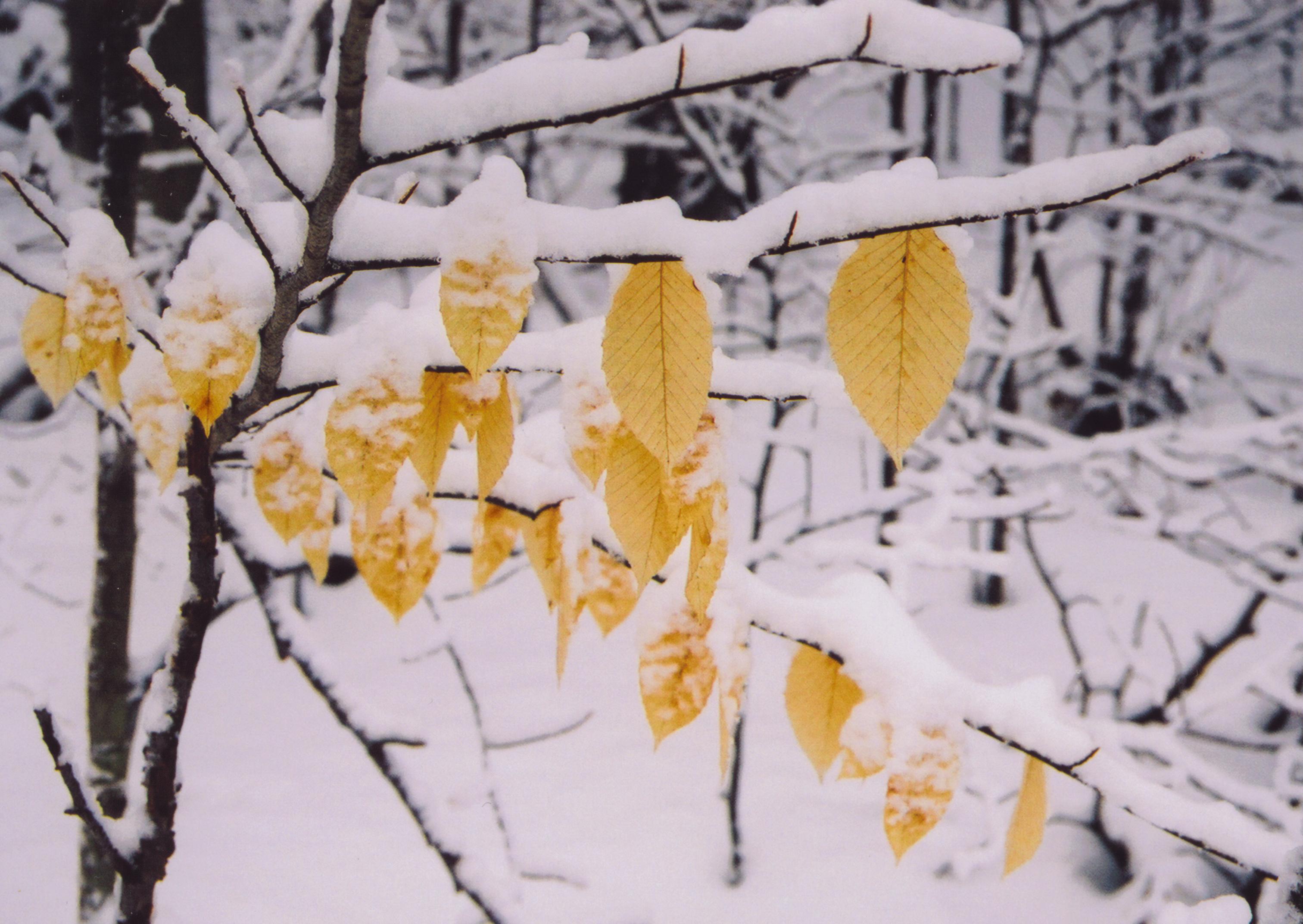
Si hubiera nevado, no habríamos cruzado la cordillera en coche.
If it had snowed, we would never have managed to cross the mountain range by car.
My attempt for 3.B {Future Perfect Tense can also be used to express conjecture}
El verano ha terminado, así que habrá nevado en las montañas.
Summer has ended, so that it probably has snowed in the mountains.

Había nevado toda la noche, y cuando me levanté tuve que quitar la nieve con la pala.
It had snowed all night, and when I got up I had to shovel the driveway.
No ha nevado en mi ciudad desde enero de 2011.
It hasn't snowed in my city since January 2011.
Había nevado vez tras vez, hasta que la primavera apareció.
It had snowed again and again, until the spring appeared.


















