
Find a word related to Q U I E T
The idea is to find an English word (synonym –- antonym -- phrase or idiom ) related to the word Q U I E T (adjective)
and then
write a simple sentence in English and Spanish for that word.( not Quiet)
Example:
It is normally quiet in a cemetery.

Normalmente, un cementerio es tranquilo.
Pictures would be nice.
Mariana has kindly agreed to be the “official” corrector of the Spanish.
I think I can manage being the “unofficial” corrector for the English, je je
22 Answers
The silence was almost overwhelming, it was so quiet we might as well have been dead.
El silencio era tan callado que parecía como si fueramos muertos.
// Gracias a Franco: El silencio era tal que parecía que estuviéramos muertos. Thanks. better version. I let the original stand to help other learners.
This has always been a very tranquil place to visit.
Esto siempre ha sido un lugar muy tranquilo para visitar.
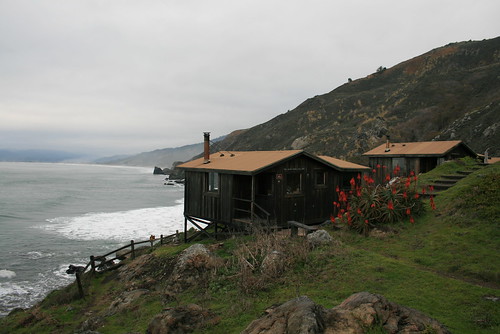
And drowsy tinklings lull the distant folds.
somnoliento tintineo calma los pliegues (rediles ) distantes.

El búho volaba sigilosamente
The owl flew stealthily
Do not go placidly into the night.
No vaya plácidamente en la noche.
¡Callate! ¡Deja de hacer tanto jaleo!
Quiet! Stop making such a ruckus!
My dear, we must do this evil deed very discreetly.
Querido/ Querida, tenemos que hacerlo en una manera prudente.
She was a very reserved type.
Era una tipa muy timida.
Gritar y hacer bulla son ejemplos de contaminación acústica.
Shouting and making noise are both examples of acoustic pollution.

The silence was broken by the thunder.
El silencio rompió por el trueno.
Business is a bit slow today, perhaps it's because it's Sunday?
Los negicios no andan muy bien hoy, ¿quizás porque es el domingo?
Normalmente es tranquila en un cementerio. corrección: (Normalmente, un cementerio es tranquilo)
Cuando viene el huracán, los aguas del Golfo de México no estan muy plácidos. Me parecen como si estan enojados.
When a hurricane is coming, the waters of the Gulf of Mexico are not very placid. They appear to me as if they are angry.
Edited to replace "son" with "estan". But, it still doesn't look right to me.
Edited to pose a question: Should I be using the subjunctive after "cuando"? The hurricanes have happened in the past, but there will be more in the future that have not yet come. Also, I replaced "son" with "estan" based on the fact that the waters are neither inherently angry nor are they inherently calm. The waters, due to many factors, can be quite changeable. I apologize for the length of this, but I'm thinking that if I am able to clarify the concept in my head it will help with a basic understanding of the usage. However, don't hold me to that 
The policeman removed the reserved person from the scene of the crime without fuss.
La policía le llevó a la persona tímida de la escena del crimén sin ningún problema.
Stop making any noise the baby is sleeping! ¡Deje de hacer cualquier ruido que el bebé duerme!

















