
Small Talk - Navigating Social Situations
Do you feel nervous talking to people you don't know very well? How about talking to them in another language?
My normal level of social anxiety goes off the chart in this situation.
The most terrifying experiences I have been in involve social situations where I have needed to make conversation (small talk) with someone in Spanish.
Once I went to lunch alone with a woman who spoke no English. The only thing that saved me was I asked, "Digame de tus sueños de tu vida." Although I didn't understand everything she said, she talked for a half an hour about her dreams for her life. It won't work at a cocktail party where you need to be a little bit more superficial, but it worked in that situation.
I think that if we all posted our favorite conversation-starters, we could memorize them and feel a lot more comfortably socially.
Please post in Spanish and English.
Here's some advice from the internet about how to navigate social situations in any language:
Make others feel at ease. Go with the intention to make other people feel at ease. Since you know that 90% of our population is nervous and awkward in social situations, then you can go with that aim to make someone else feel at ease. It will help take the pressure off how you are feeling.
Remember names. When someone tells you their name remember it and use it. In a social exchange what sounds better to you, a simple “Nice to meet you.” or “It is so nice to meet you TOM.”? Always use the person’s name during the conversation. When we remember to say another person’s name it automatically puts them at ease. Just like that you’re building a new business or personal relationship.
Build other people up. When someone tells you that they love the Bucs, the Yankees, or tiramisu, this is a perfect opportunity to engage, build rapport and acknowledge the person speaking.
It’s a simple two-step process: Step One. Simply repeat back what they told you they like: “You love the Yankees.”
Step Two. Ask a question. “How long have you been a fan.” And just like that the person feels heard, acknowledged and important.
- What to talk about. So what in the world do you talk about you when you’ve already talked about the traffic and the weather and you find there’s a lull in the conversation. Bring up something topical that doesn’t involve a scandal. I know I know, it seems like an impossibility. You could talk about your last ski trip, a favorite restaurant, the newest invention. There is a plethora of things that you can talk about that are positive and life enhancing. Just remember it’s a conversation not an interrogation. So there should be a nice balance in between questions and answers and between the people you are conversing with.
10 Answers
I agree...the most basic thing is to feel comfortable!
I memorized the conversation openers and closers so that they would come out without thinking and I would be able to focus on the conversation itself:...
¡Hola! Me llamo Mariana (soy Mariana) ¿y usted? (My name is Mariana (I'm Mariana) and you?)
Mucho gusto. (Nice to meet you)
¿Cómo está la familia? (How's the family doing?)
Muy bien, gracias. (Very well, thank you)
¡Que bueno de verte! (How great to see you!) (use this informal phrase only with people that you have met before)
Fue un placer conocerlo(la) (It was a pleasure getting to know you) (use this for formal speech)
Fue un placer conocerte (It was a pleasure getting to know you) (use this for informal speech)
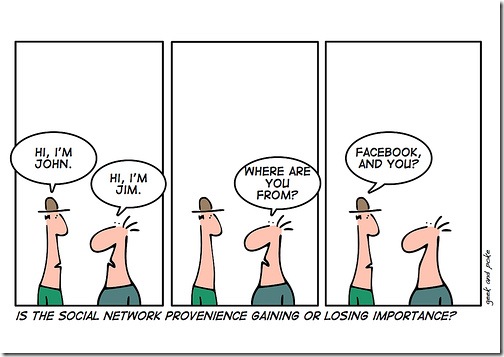
¿De dónde eres?
Where are you from?
Warning...don't forget the little "de." If you ask, "¿Dónde eres?" you will be asking, "Where are you?" and will just get funny looks.
¿Cómo fue el día?
Cuéntame de tu día.
Tell me about your day.
Cuéntame de tu vida.
Tell me about your life.
A friend of mine said that "cuéntame" is a much classier way of saying "tell me" than "dígame."
Tell me all about it. / Cuéntamelo todo.

Problem solved.
What do you do (for work, for a living)? = ¿A qué se dedica?
Do you have any siblings = ¿Tienes hermanos?
Are you married? = ¿Está casado(a)?
Do you have children? = ¿Tiene usted hijos?
¿Dónde trabajas?
Where do you work?
This question means literally, and people will tell you the neighborhood or the street where their offices are located.
¿Qué tipo de trabajo haces? What type of work do you do?
¿Te gusta? ¿Por qué?
Do you like it? Why?
This is another good one for sitting back, nodding your head and listening. Everyone likes a good listener.
¿Tienes pasatiempos?
Do you have hobbies?
This is a good one to get people talking, so that you can sit back and just listen (and that's less stressful than holding your own in a conversation. People love to talk about their hobbies, and you would never know about them if you don't ask.

¿ Qué hora es?
Ah, and then there is the weather...
Hace mucho calor. ¿Sí? Es terrible.
It's very hot. Yes? It's terrible.

















