
Relative pronouns : subject and object
Hi, I am doing the exercise on relative pronouns & musical instruments BUT i am a little confused about the following examples.
1) Conoces a mi tio Harris que toca la trompeta - Here the teacher says that "que" means "who" because Harris is the subject
However in the following example she says that "que" means "whom" because "El professor" is the Object
2) El profesor que conci ayer toca el piano de cola
the problem i have is i dont understand why HARRIS is the Subject and yet EL PROFESSOR is the object i would say they are both the subject ???
Many thanks in advance
3 Answers
Look at this. "Harris" isn't the subject.
1) Conoces a mi tío Harris que toca la trompeta.
In this sentence:
(Tú) = subject. (In Spanish you can omit the subject, not in English. In this case, "Tú" has been omit, but it's the subject.
(Tú) conoces a mi tío Harris que toca la trompeta.
a mi tío Harris = Indirect Object.
2) El profesor que conocí ayer toca el piano de cola.
El profesor = Subject too
Let's just start with learning how to figure out who the subject is in any sentence - start by isolating your verb and then work out who is doing the action of the verb. This will be your subject, or if there is more than one verb, such as in your example, your subjects 
So for your first example you have two verbs is conocer and tocar - who is knowing? It has been conjugated into the tú form so it must be tú - tú is the subject of conocer. Then in the next part (the relative clause) who does the 'toca' apply to? Harris 'toca' so Harris is the subject of tocar.
I'll leave the rest as Esteban has done such a great job of explaining but for future reference I hope that this introduction to direct and indirect objects might be helpful
DIrect and Indirect Objects - An introduction
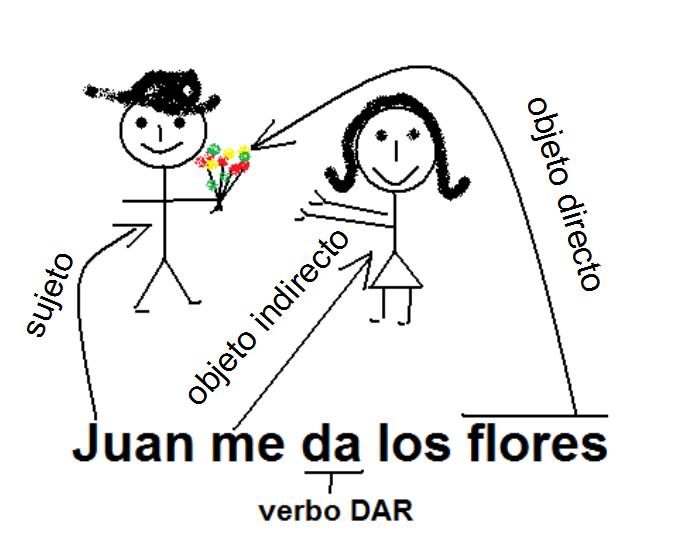
1) Conoces a mi tio Harris que toca la trompeta - Here the teacher says that "que" means "who" because Harris is the subject.
Harris is the direct object in the sentence and the "antecedent" of the relative pronoun "que". In the relative clause "Harris toca la trompeta" is the subject in the relative clause, and therefore "who" is the correct pronoun to use.
However in the following example she says that "que" means "whom" because "El professor" is the Object
2) El profesor que conocí ayer toca el piano de cola
In this case, again, it would have been better to mention that the noun that the relative pronoun refers to is called the "antecedent". The antecedent here is functioning as the subject of the sentence. But in the relative clause, it is functioning at the object..."Whom I met yesterday". So in this case, the English version would be "whom".
I hope this has cleared things up. Actually, I found another great link that explains this in greater detail than the other links:
http://www.englishlanguageguide.com/english/grammar/relative-pronoun.asp
Just so you know, josemaloru erred in saying:
(Tú) conoces a mi tío Harris que toca la trompeta.
a mi tío Harris = Indirect Object.
"a mi tio Harris" is the direct object. Any time the personal "a" is used, what follows it is a direct object. Here is a site that backs this point up.
*** Begin of quote from studyspanish.com
In Spanish, when the direct object is a person, it is preceded by the preposition "a." This word has no English translation.
Jorge llama a María. Jorge calls María.
***End of quote from studyspanish.com

















