
Natives uses of imperfect vs. preterite
To my understanding, the imperfect past tense is use to imply a verb which took place in the past, yet not implying that it has been completed/finished(for example, "yo hablaba" would mean "I used to speak" or "I was speaking", indicating only that it has been done, but leaving the possibility that it may still be happening, or may reoccur), and the preterite is used to imply a verb that HAS been completed/finished(for example, "yo hable" would mean "I spoke", implying that I definitely spoke in the paste, and am not doing it anymore).
However, my fiancee is a native Spanish speaker, and not only have I observed her using the imperfect when I would use the preterite, but I've also seen her correcting me with the imperfect when I used the preterite. It seems as if she would actually PREFER the imperfect over the preterite. This really confuses me. For example, I listened to her making a video for her friends saying "Nadamas queria hacerles un video rapido para darles las gracias", she translated it to me as "I just wanted to make you a video to give you thanks". Of course it's all correct, except the "queria" part. "Nadamas queria" would translate to "I was just wanting" or "I used to want nothing more", or similar. If she wanted to say "I just wanted", she would need to use "quise". I am very confused as to why she and other natives I've observed seem to use the imperfect seemingly improperly by instinct. Could someone explain to this to me? Perhaps point out if I'm right or wrong? If I'm wrong, can you clarify? If I'm right, can you tell me why natives seem to do this?
Thank you.
4 Answers
A simpler way to think about it is that the preterite is used to describe events in the past, while the imperfect is used to describe situations. Whether something is an event or a situation depends more on what you are saying than on the actual thing in the past that you are describing--in other words, many things can be described as either situations or events, depending on what you want to say.
In your particular sentence, wanting is more of a situation than an event (ie. the person was wanting to do something during the period when other actions took place), so the imperfect would be more natural. There are other situations where wanting might be more easily perceived as an event with a specific beginning and end that you want to describe as a single whole event, and in these cases the preterite would be more natural.
Just as an aside, nada más is two words like nothing more in English.
Which past tense to use depends somewhat on what you are trying to say. The difference in English might be between using I wanted and I was wanting to. Emotions or feelings in the past normally take the imperfect tense. (when you started to feel so and when you quit feeling so are usually ambiguous in time, not momentary, then completed) I was wanting to is more describing how she was feeling, than a momentary desire to accomplish something (I wanted). I think that I would have chosen the imperfect also.
Not a native. I'm sure that they can give you a better answer.
Do not try to translate it into English. it absolutely does not translate into used to or "was + ing". There are dozens of individual rules about when to use it and you need to learn them all off by heart since you are not a native. Once you learn the rules and practice them a lot you start to get a bit of a sense of when to use it, and I'm personally hoping this grows heh. But you have to learn the rules first. It's also tough because often you have two things that are right but have a teeny tiny difference in meaning, and the difference in meaning could not be translated into English without explaining it in simple words like adding "and that was the first time it happened", or "it happened many times but each time that it happened it was slightly different and so I think of it as individual events"
The problem is most online resources are aimed at beginners and i'm finding it hard to find a good complete reference to link you too.
There are some general ideas that can help you, but really until you learn all the rules you'll never get this right. We spent 20 two hour classes on just this point and it's still the hardest thing in Spanish for us, our teacher said the people studying in the advanced classes have gotten conditionals and subjunctives and everything else perfect but they still make mistakes all the time in the past tenses.
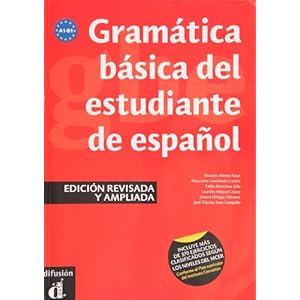
I can recommend you a good grammar book:
Gramática básica del estudiante de español - published by Difusión. It explains everything through Spanish and it explains it really well. If you buy it new make sure to get the red one and not the blue one, as the red one is the new edition and has more exercises, is more up - to - date with the RAE and has a few less little mistakes than the first edition had
I wish I could find the info online but I can't! I'm sure it must exist somewhere..

















