
Levántate los brazos, toca la nariz, toca los labios...
Touch your lips (command) Toca los labios. Tócate los labios = incorrect because you already know you are talking about your own lips. Quiero tocarte los labios. Te is needed because otherwise I am talking about touching MY OWN lips. Quiero tocar los labios. There is no way to tell who's lips I am touching so just like "Toca los labios" my OWN lips (just as your OWN lips is implied there) must be implied unless I use "tocarTE".
This occurred to me when I heard a song Nicole posted, they kept saying "Levanta tus brazos" etc... And I wanted to say "Levanta los brazos" but then I thought about "Levántate los brazos" and I was suddenly unsure, because I don't talk about body parts much, my own that is.
But I do say "Quiero besarte los labios" etc.. and I know you need TE there. It just occurred to me that you don't need TE with "Toca los labios" it just means your own lips, and so "tócate los labios" is redundant. But with that thinking, Quiero tocar los labios without TE must mean my own lips. Quiero tocarle los labios is his/her lips etc.. you need the TE / LE to know who you mean, this I always knew, but I know I have heard "Levanta las manos". And I think I have heard "Levántate las manos" once or twice. And I think I have heard "tócate los pies" even so I am now feeling a bit unclear on this.
If I want to massage your shoulders, Quiero acariciarTE los hombros, without TE it makes no sense just like Quiero darte un masaje, otherwise WHO is the massage for, but then with your own shoulders just "Acaricia los hombros" that has 100 hits or so, "acariciate los hombros" has over 1000 hits, and "acaricia tus hombros" has over 1000 hits.
So levanta los pies is right and levántate los pies is wrong, and "Quiero levantarTE" if I wanted to raise something on you, and "Quiero levantarLE" if I wanted to raise something on him / her.
But I am still unclear on the to yourself thing. Sometimes it seems like just "toca la nariz" sometimes "Tócate la nariz". I know always "Quiero tocarte la nariz" but I don't get the self stuff right now.
And what's with "Levanta las manos" / "Levántate las manos"?
Some of this stuff seems quite arbitrary I guess.
I don't think about this kind of stuff much so I guess I better think about it here.
Gracias.
3 Answers
Hi Jeezz! Let's see this self stuff:
Jeezz: Toca los labios
Eh? What do you mean? Whose lips?
Jeezz: Tócate los labios.
Okay, I touch my lips ( Incorrect because .... ) It's perfectly correct.
Jeezz: Quiero tocarte los labios.
Correct, too.
Jeezz: Quiero tocar los labios.
Eeeeh? Whose lips? (again)
There is no way to tell who's lips I am touching so just like "Toca los labios" my OWN lips (just as your OWN lips is implied there) must be implied unless I use "tocarTE".
Wrong reasoning, Jeezz. Touch my lips= tócame los labios, touch your lips= tócate los labios, touch her lips= tócale los labios... and so on.
This occurred to me when I heard a song Nicole posted, they kept saying "Levanta tus brazos"
etc... And I wanted to say "Levanta los brazos"
but then I thought about "Levántate los brazos"
and I was suddenly unsure, because I don't talk about body parts much, my own that is.
Here you are mixing things, because you are using two different verbs, levantar (Levanta los brazos = Raise your arms) and the pronominal levantarse (Levántate los brazos= Lift yourself your arms !!).
But I do say "Quiero besarte los labios" etc.. and I know you need TE there.
Of course, because the te here is the indirect object. It's the same example as tocarte.
It just occurred to me that you don't need TE with "Toca los labios" it just means your own lips, and so "tócate los labios" is redundant.
Wrong again... You need Te, Le, Me... if you don't want to say: I want to touch lips, that is possible, but a bit strange.
And I think I have heard "Levántate las manos" once or twice. I don't think so... And I think I have heard "tócate los pies" even so I am now feeling a bit unclear on this. Of course.
The difference is in the action: levantar algo with the meaning that you're using (to lift) is not a reflexive action (excepting the unusual case that you, yourself, have to lift your parazyzed leg with your own arms), but tocarse algo makes sense, because you can touch your lips.
So levanta los pies is right (Yes) and levántate los pies is wrong (Is right in the limit case) , and "Quiero levantarTE" if I wanted to raise something on you, and "Quiero levantarLE" if I wanted to raise something on him / her.
Yes, but there is no reflexivity in these actions, reflexivity is something that you do to yourself. Te and Le are indirect objects here.


Levantarle las piernas
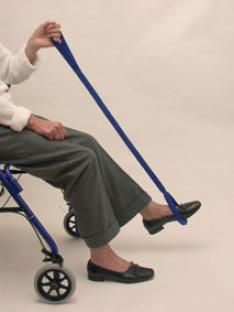
Se levanta el pie
Tócate los pies, with te because you touch your feet to yourself with other part of your body (with your hands).
Levanta las manos or levanta tus brazos, without te because is that part of your body you lift.
Levanta tus brazos, it's more poetic or emphatic than levanta los brazos. Both means the same thing and are used equally.
Great answers but I still have questions (and thanks for the thread title change, my brain wasn't working too good last night).
- So "touch your lips" tú command = "Tócate los labios" and te is needed.
- "Touch your feet" = "Tócate los pies" and te is needed or is the te NOT needed?
- It seems like most of the time it's reflexive so you want to use the te/le but not always?
- If I say "Touch X on yourself" I use TE just like "Touch X on me" is with ME and "Touch X on him/her" is LE but sometimes it seems like you don't need the TE / ME/ LE?
- Every google hit seems to be for without the TE form, example: "Toca los labios" = 20,000 hits, "tócate los labios" = 100 hits. What is with that?
Gracias. Back in 8 hours, off to work to contemplate this and earn some dough.


