
Las 10 especies más raras del 2010
Read the article and comment about the top ten most weird animal species in the world.
This bat really looks like El Chupacabras.

3 Answers
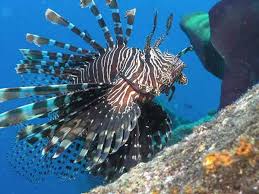
Not that it is a very weird animal, but I saw this one on my recent trip to Mexico. You cannot find it in the Atlantic ocean probably too cold.
It looks like all scary...very weird and beautiful
•Cuban crocodile -- Currently restricted to two small areas of Cuba due largely to illegal hunting, chiefly for meat for restaurants serving the tourist industry, the survival of this species is also due to extensive hybridization with American crocodiles.
•Florida bonneted bat -- Thought to be extinct until 2002, the small colony discovered in a North Fort Myers suburb suffers from a loss of roosting sites and pesticide spraying of the mosquitoes that they eat.
•Green-eyed frog -- This once-common species has been decimated by chytrid fungus, as well as agricultural and logging activities.
•Grenada dove -- Habitat loss and threats from introduced predators have left fewer than 150 of the Caribbean island's national bird alive.
•Hirola -- One of the most most highly threatened antelopes in Africa, the hirola, or Hunter's hartebeest, is technically protected in Kenya and Somalia, but lack of effective enforcement leaves it vulnerable to poaching.
•Ploughshare tortoise -- Restricted to five small, unconnected sub-populations in northwestern Madagascar and threatened by illegal collection for the international pet trade, the ploughshare tortoise will be extinct within 30 years if current conditions continue.
•Island gray fox -- Found only on six of the California Channel Islands, there are likely fewer than 1,000 individuals of this fox species left.
•Sumatran orangutan -- The Indonesian forest habitat of these primates is seriously threatened by logging and deforestation for palm oil plantations.
•Vaquita -- The world's smallest marine cetacean at just five feet long, this rare porpoise often gets caught and drowned in fishing gillnets used in the Gulf of California.
•White-headed langur -- Hunted for "monkey balm," a traditional Chinese medicinal preparation, this species has declined 98 percent over the past 40 years, to perhaps less than 100 individuals.
Me resultan todos los especies muy interesantes, Toni, creo que la que no voy a olvidar nunca es la imagen del pobre mono...
El mono de hocico chato: Descubierto en el norte de Myanmar, Birmania. La especie se caracteriza por su hocico chato. Es relativamente fácil de detectar, ya que estornuda cuando llueve. Para evitar la entrada de agua de lluvia en la nariz, estos monos suelen pasar los días lluviosos sentados con la cabeza entre las rodillas.
...con la cabeza entre las rodillas. :(
No me gustaría ni pensar en la sanguijuela de 44,5mm en la nariz de la niña. Yuk!!!
Gracias, es un buen ensayo.


