
Is culantrillo the same as bayleaf in cooking?
A spanish recipe calls for "tres ramitas de culantrillo". Is that bayleaf?
6 Answers

Bay Leaf: laurel

Culantro (good for soups and stews, not so good to chew on)
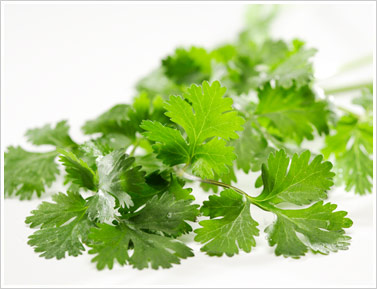
Cilantro: not to be confused with parsley! Good to eat raw, for salads, stews or salsa. Sometimes (erroneously but commonly) also called "culantrillo"(which is actually a fern and has nothing to do with this).
Cilantro is Coriander in English
So its 3 leaves of coriander .
The leaves of Coriander are quite large
Y'll are all wrong...Culantrillo is Maiden Hair Fern. Typically not used for cooking (toxic?) but is used for topical applications such as face and hair!
In doing research, it appears that culantrillo is cilantro, not to be confused with culantro.
Puerto Rico is where coriander leaf is sometimes culantrillo, whereas the long leaf is both culantro, culantro del monte, and recao. Reference
Recao, is the contraction of recado for "ration" meaning the daily shopping one did for five or ten cents worth of a made up pile of sofrito ingredients: a mild chile, a tomato, a bit of garlic, some cilantro, some culantro. Then the term came to mean the culantro by itself, which is why I always see it labeled as recao in the store.
And here is what I learned about cultantro:
Culantro: A Much Utilized, Little Understood Herb
The appearance of culantro and cilantro are different but the leaf aromas are similar, although culantro is more pungent. Because of this aroma similarity the leaves are used interchangeably in many food preparations and is the major reason for the misnaming of one herb for the other. While relatively new to American cuisine, culantro has long been used in the Far East, Latin America, and the Caribbean. In Latin America, culantro is mostly associated with the cooking style of Puerto Rico, where recipes common to all Latin countries are enhanced with culantro. The most popular and ubiquitous example is salsa, ...
Here is the recipe that calls for both cultantro and culantrillo:
No, it is used in cooking more like cilantro but is not related to the bay leave.

















