
Brunette - morena or castaña?
In the dictionary, "brunette" = "morena". I put this in a handout for some English students who all assured me that I am incorrect. They say that "morena" only refers to dark skin color and though a "morena" probably has brown hair, not every brunette is "morena". They say that "castaña" (chestnut) would be the better choice, "castaña oscura" for dark brown and "castaña clara" for light brown. Is this correct or is it just a regional thing? How would you translate brunette? Thanks.
5 Answers
If you are talking strictly about hair, mentioning the word, you would say castaña not morena.
However, if you are describing a person with dark hair, that is brunetter or black or dark brown...we would say:
Es morena, alta y delgada.
for example, without further indication, we would not think about the skin colour, which on the other hand can also be moreno.
Please have a look at this thread. (visual aid)
I think it may depend on the region, as you say.
Here are the R.A.E. definitions:
moreno, na.
(De moro y -eno).
adj. Dicho de un color: Oscuro que tira a negro.
adj. Dicho de la piel: En la raza blanca, de color menos claro.
adj. Dicho del pelo: En la raza blanca, negro o castaño.
adj. coloq. Dicho de una persona: negra. U. m. c. s.
adj. Cuba -- mulato (? nacido de negra y blanco, o al contrario).
I looked at the link provided by Benz, and it corroborates my assertion that in Southern South America, they understand the concept of "moreno/a" pretty much as they do in Europe.
In Venezuela, this lady is "una morena" (she is in fact, "Miss Morena Venezuela"). To be truthful, though, most people would say she's "negra" (Black).
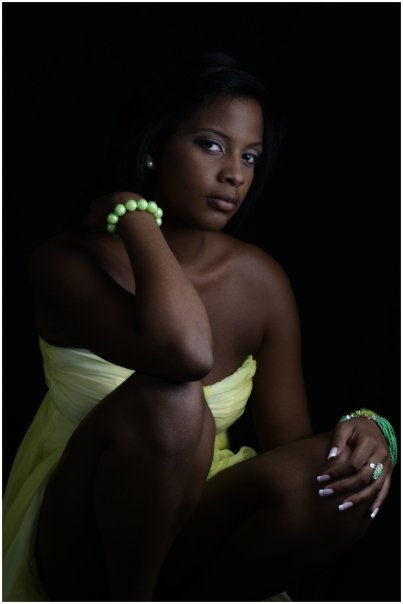
So is this lady (she definitely qualifies as "morena" in the Caribbean):

Hola,
En Colombia no se diría "es castaña", se diría "tiene el cabello/pelo castaño".
Good luck.

















